


Trauma Therapy in Florida:
Feel Safe in Your Own Life Again
If you are looking for trauma therapy in Florida, you may already know that something happened that changed you. Maybe it was one event. Maybe it was years of living on guard. Your body still reacts as if the danger is close, even when your mind knows it is over.
Healing is possible, and you don’t have to walk through it alone. Attachment-based therapy and EMDR can help you work through what happened and feel safe in your body again. Sessions are held online for clients across Florida and Texas.
IS THIS YOU?
Signs Trauma May Be Affecting Your Life
Most people who reach out to me about trauma are not in pieces. They are functioning, often very well, while carrying something that never quite settles. Trauma rarely announces itself. It tends to show up as a reaction that feels bigger than the moment, or a part of life you have quietly stopped going near. The signs below draw on the symptom groups described by the National Institute of Mental Health (National Institute of Mental Health, n.d.). You do not need all of them, and having some of them is not a diagnosis.
Emotional signs
The emotional side of trauma is often less about sadness and more about feelings that will not shift, no matter how much time passes.
Fear, anger, guilt, or shame that sticks around
Trouble feeling happy, close, or satisfied, even on good days
Losing interest in things you used to enjoy
Feeling numb or far away from the people you love
Irritability or angry outbursts that surprise you
Physical signs
Your body keeps scanning for danger long after the danger has passed. That constant readiness is exhausting, and it is not something you can think your way out of.
Startling easily at sounds, touch, or movement
Feeling tense, keyed up, or on edge most of the day
Trouble falling asleep or staying asleep
A racing heart, sweating, or nausea when something reminds you of what happened
Bad dreams that leave you tired before the day starts
How it shows up in relationships and at work
Trauma often looks like a relationship problem or a work problem before anyone calls it trauma. These are some of the patterns I see most.
Avoiding people, places, or conversations that bring it back
Pulling away from friends or a partner without fully knowing why
Struggling to concentrate, finish tasks, or make decisions
Risky, reckless, or self-destructive choices that help you feel less
Feeling like you are always bracing for the next conflict
Thoughts and patterns
Trauma changes what your mind expects. Memories can arrive uninvited, and the story you tell about yourself can quietly turn harsh.
Flashbacks, or memories that feel like they are happening now
Distressing thoughts that pop up without warning
Gaps in memory around key parts of the event
Beliefs like "I am broken," "no one is safe," or "it was my fault"
Blaming yourself or others in ways that feel out of proportion

What Causes Trauma Responses?
Trauma is less about how bad an event looks from the outside and more about what your nervous system learned from it. When something overwhelms your ability to cope, especially when you could not escape and no one helped, your brain files it as a threat to watch for. That is not weakness. It is protection.
Trauma that happens inside relationships tends to run deeper. Research on complex PTSD links it most often to prolonged or repeated trauma that is hard to escape, such as childhood abuse or domestic violence (Brewin, 2020). When the people who were supposed to keep you safe were also the source of harm, your attachment system had to adapt. You may have learned to stay quiet, stay small, stay alert, or stay independent.
Those patterns made sense when they formed. They kept you going. Feeling stuck now is not the same as being broken. It usually means a strategy that once protected you is still running in a life that no longer needs it.
Emily Jurich, LMFT
Meet Emily

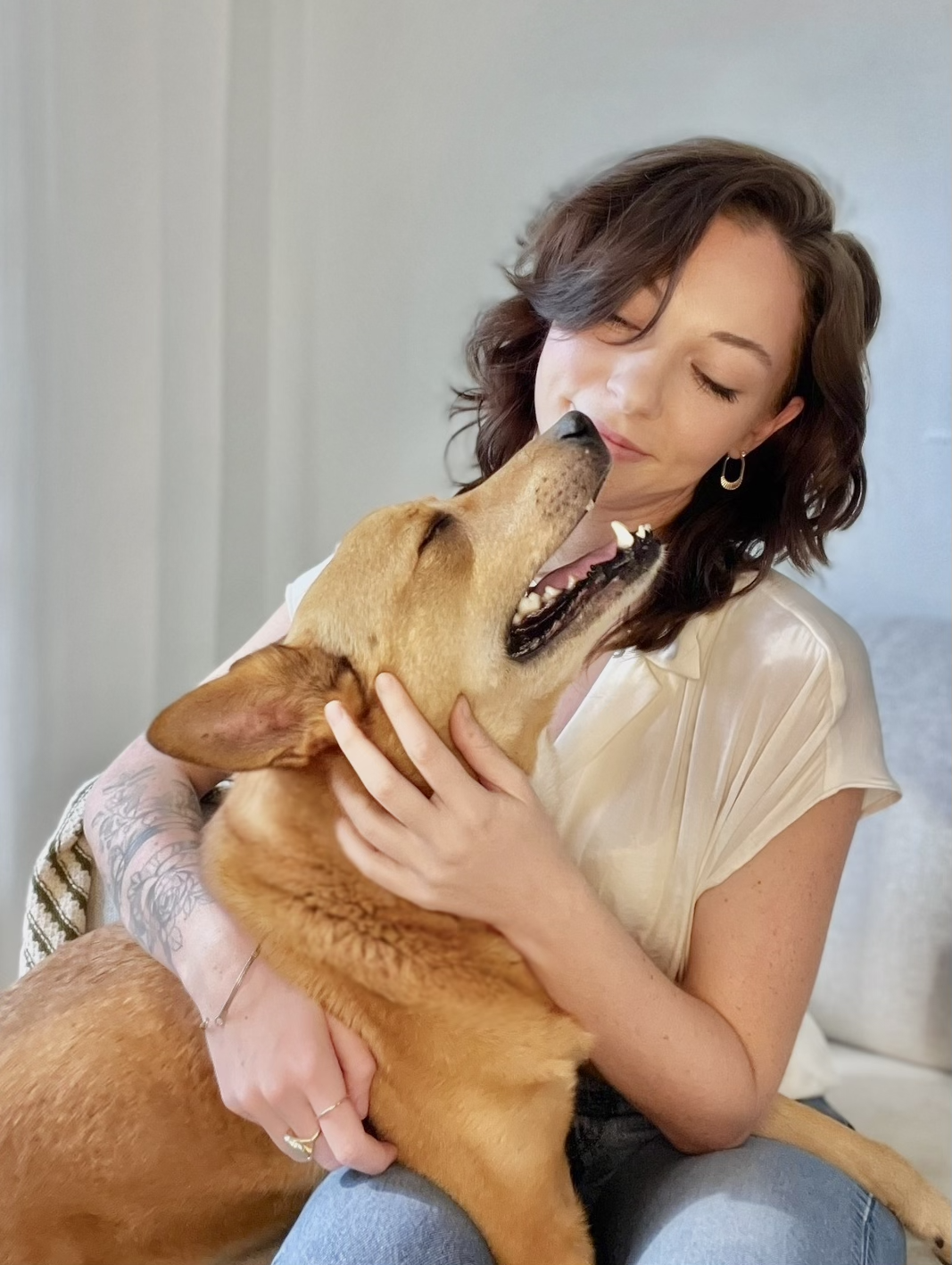
I am a licensed marriage and family therapist and the founder of Attached Counseling. My work centers on attachment science and EMDR. Trauma rarely stays in one corner of a life. It shows up in how we sleep, how we fight, how we trust, and how we see ourselves. I am drawn to this work because I have watched people stop bracing for impact and start living with more room to breathe. I am also a member of the LGBTQIA+ community, and my practice is affirming for every client who walks in.
Alongside individual trauma work, I also see couples, including partners healing from betrayal through affair recovery therapy and couples working on connection through couples therapy.
AN EFFECTIVE APPROACH
My Approach to Trauma Therapy
EMDR for Trauma
EMDR (Eye Movement Desensitization and Reprocessing) helps your brain reprocess memories that got stuck in their original, raw form. While you briefly hold part of a memory in mind, you follow a back-and-forth rhythm, such as eye movements or alternating taps. Many people find the memory feels further away and less charged afterward. The World Health Organization recommends EMDR, alongside trauma-focused CBT, for adults with PTSD (World Health Organization, 2013), and notes that unlike some approaches, it does not require detailed retelling of the event or homework.
EMDR is for when you feel ready. You do not have to share every detail of what happened for it to work. Before any processing, we spend time building steadiness and resources so you are never pushed into more than you can hold. You can learn more on my EMDR therapy here.
Attachment-based therapy
Attachment-based therapy looks at how your earliest relationships shaped what you expect from people now: whether others will show up, whether your needs are too much, whether it is safe to rely on anyone. Trauma often lives right in those expectations. In our work, the relationship between us is part of the treatment. You get to experience someone staying steady while you say the hard thing, and over time that experience starts to change what your body expects from closeness.
Conditions and Concerns I Work With
Therapy for PTSD
PTSD can follow a single event, like an accident or an assault, or a series of events. Many people with PTSD symptoms never receive a formal diagnosis, and you do not need one to begin. We work with the memories that still feel active and the patterns that grew around them.
Depression after trauma
Depression and trauma often show up together. The flatness, low energy, and pulling away can be the body's way of shutting down when staying alert became too much. As the trauma load lightens, many people notice their mood starts to lift with it.
Borderline Personality traits
Some people come to me with intense emotions, a strong fear of being left, and relationships that swing between very close and very distant. These patterns overlap with complex trauma, and the labels often get confused. I do not start from a label. I start from what the pattern is protecting you from.
Complex PTSD (CPTSD)
Complex trauma comes from repeated harm over time, often in childhood or a close relationship. Along with PTSD symptoms, many people notice intense emotions that are hard to settle, a deep sense of being worthless or different, and trouble feeling close to others. This is where an attachment lens matters most.
YOU DON’T HAVE TO STAY STUCK
What Trauma Therapy Looks Like With Attached Counseling
When memories keep coming back
Flashbacks, nightmares, and intrusive memories can make it feel like the past is still happening. In session, we first build ways to bring you back to the present when a memory takes over. Once you feel steady, we use EMDR to reprocess the memories that keep returning. Over time, many people notice those memories show up less often and with less force. They become something that happened, not something that is still happening.
When you avoid anything that reminds you
Avoidance protects you in the short term, and it can shrink your life in the long term. We map out what you have been steering around, without judgment, and look at what that avoidance is guarding. Then we take small, chosen steps back toward the people and places you have been missing. Many people find their world slowly gets bigger again.
When you are always on guard
Constant alertness, poor sleep, and a short fuse usually mean your body still believes it is under threat. We practice noticing that state as it rises and learning what helps your body come down. We also trace where this vigilance started, because understanding why your system learned to scan for danger often softens it. Many people notice they sleep better and react less sharply.
When shame and self-blame take over
Trauma often leaves people with beliefs like "it was my fault" or "something is wrong with me." In attachment-based work, we look at where those beliefs came from and whose voice they really are. EMDR can help shift the beliefs attached to specific memories. Over time, many people start to speak to themselves with more fairness, and feel more connected instead of numb.
What the first few sessions look like
The first sessions are about getting to know you with going at your own pace. We talk about what brings you in, what you want to feel differently, and what has helped or not helped before. We build tools for steadying yourself before we touch anything painful. Many people find the first session feels more manageable than they expected. Small changes, like better sleep or fewer shutdown moments, often show up before the bigger shifts.

Online Trauma Therapy in Florida and Texas
Most of my clients meet with me online through a secure, HIPAA-compliant video platform. For many trauma survivors, starting from a place that already feels safe, like your own couch, makes it easier to open up. It also removes the commute and the waiting room, which can be real barriers when you are already on edge.
I see clients located anywhere in Florida and Texas, including Boca Raton, Delray Beach, Fort Lauderdale, Miami, West Palm Beach, Orlando, Tampa, and Jacksonville, as well as Houston, Dallas, Austin, and San Antonio.
Frequently Asked Questions About Trauma Therapy in Florida
-
For many people, yes. A 2025 meta-analysis of 34 randomized trials found that 65 to 86 percent of civilian participants in trauma-focused therapies no longer met criteria for PTSD after treatment (Milligan et al., 2025). EMDR showed the highest rate in an exploratory analysis, though the studies varied quite a bit. Results are never guaranteed, but the research is genuinely encouraging.
-
I do not believe any trauma puts you beyond help. Complex, long-term trauma, especially from childhood or close relationships, usually takes longer because it shaped how you learned to see yourself and others. That does not mean it is permanent. It means we build safety first and move at a pace your system can trust.
-
Emotional abuse can cause many of the same symptoms as PTSD. The formal PTSD diagnosis requires a specific kind of traumatic event, so emotional abuse alone does not always fit the label. Many people who lived through it still have flashbacks, hypervigilance, and deep shame, and those symptoms respond to trauma therapy whether or not a diagnosis fits.
-
Processing trauma means a memory loses its grip on the present. The event does not change, but your body stops reacting as though it is happening right now. With EMDR, that often happens without retelling every detail. With attachment-based work, it also means updating old beliefs, like "I am not safe with people," that formed around the trauma.
-
It depends on what you are working through. Many people with a single-event trauma notice meaningful change within a few months of weekly sessions. Complex or childhood trauma often takes longer. We check in on progress together, so you always know where we are and why.
-
Research suggests it can be. A randomized trial of 132 veterans found that trauma-focused therapy delivered by video into people's homes worked about as well as in-person sessions (Acierno et al., 2017). That study looked at prolonged exposure, not EMDR, but many people find online EMDR works well too. Being in your own space can make the hardest parts feel more manageable.
-
I see clients located in Florida and Texas. Sessions happen online through a secure, HIPAA-compliant platform, and in-person sessions in Boca Raton are available upon request. You need to be physically located in Florida or Texas at the time of each session.
-
Schedule your free 15-minute consultation. We will talk about what brings you in and whether I am the right fit. No pressure either way.
Ready to Feel Safe in Your Own Life Again?
You do not have to wait until anxiety gets worse to reach out.
Schedule your free 15-minute consultation today.
START YOUR JOURNEY










Most couples walk into therapy thinking the same thing: Is this the beginning of the end? It's not. For most of the couples I work with, it's the beginning of the relationship they've always wanted — they just weren't sure how to get there yet. In this post, I'm breaking down exactly what to expect in online couples therapy, from our first session together to the moment things actually start to shift. If you're a couple in Florida or Texas who's been on the fence, this one's for you.