


Anxiety Therapy in Florida:
Quiet the Overthinking and Feel Steady Again
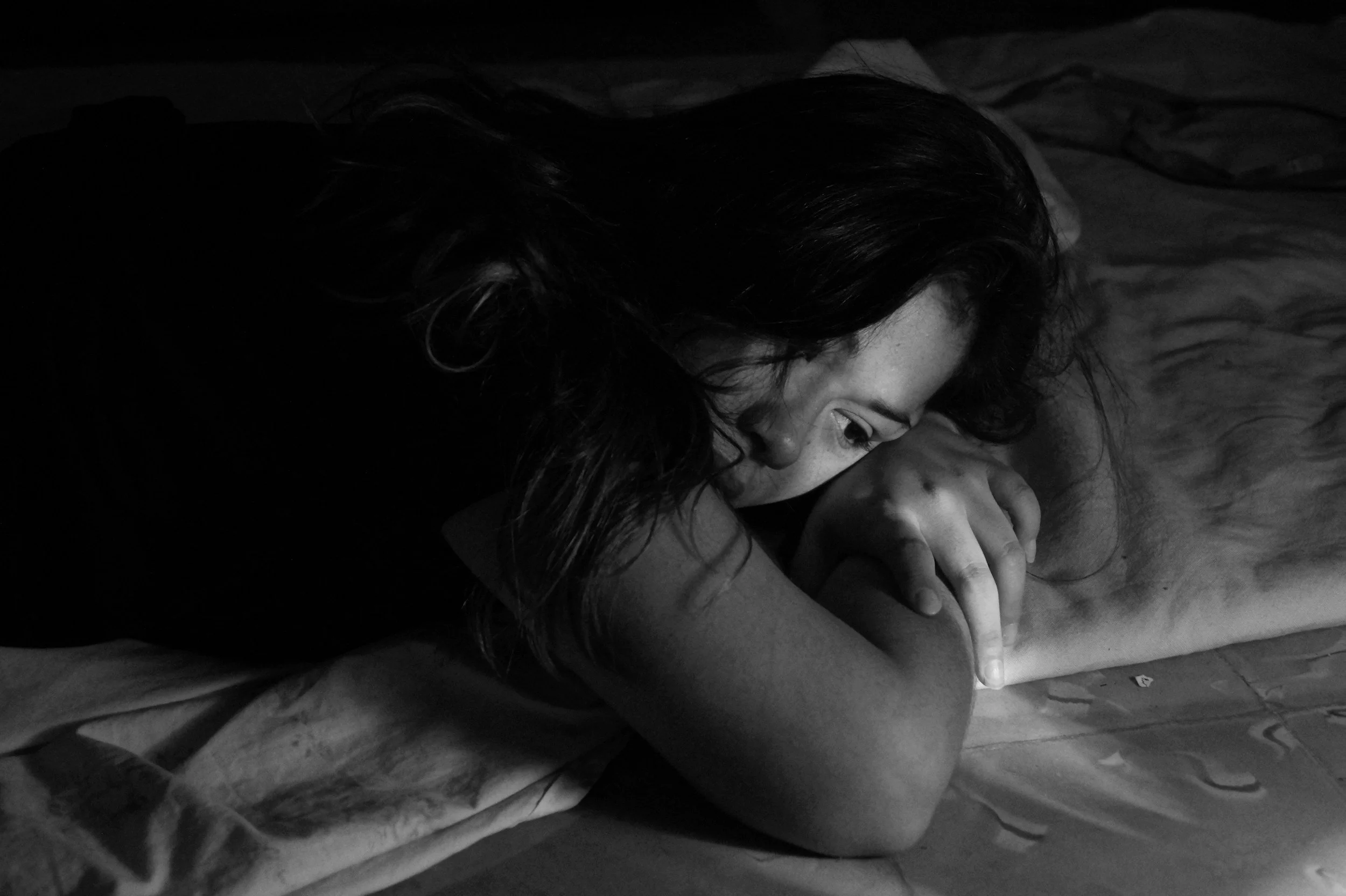
You are holding everything together, and it is exhausting. The 2 a.m. overthinking. The conversation you replay for days. The tight chest before a meeting.
Anxiety therapy in Florida and Texas online, with in-person sessions in Boca Raton upon request. You do not need a diagnosis to start. You only need to be tired of living on high alert.
IS THIS YOU?
Signs Anxiety May Be Affecting Your Life
Anxiety does not always look like panic. For a lot of the people I work with, it looks like being very good at everything except resting.
Emotional signs
Emotionally, anxiety often feels like a low hum of dread that never fully turns off, even on good days.
A constant sense that something is about to go wrong
irritability when plans change or things feel out of your control
Feeling on edge around the people you love the most
Guilt when you rest or say no
Physical signs
Often your shoulders, stomach, and sleep register anxiety long before you would think to call it that. Many people find their way to therapy after months of symptoms they could not explain.
Trouble falling asleep, or waking at 3 a.m. with your mind already running
Panic: a racing heart, shortness of breath, tingling, or feeling like you might pass out
Tight shoulders, jaw, or chest
A stomach that knots up before hard conversations
How it shows up in relationships and at work
This is where I see anxiety cost people the most. It quietly shapes how you love and how you work.
Needing reassurance, then not quite believing it when you get it
Reading a short text as a sign someone is upset with you
Overworking so you never feel like you are falling behind
Work stress that follows you home and into your sleep
Saying yes when you mean no, just to keep the peace
Thoughts and patterns
Anxious thinking tends to loop. It feels productive, like you are solving something, but it rarely lands anywhere.
Overthinking and racing thoughts, especially at night
Replaying conversations and scanning for what you said wrong
Perfectionism: if it is not perfect, it does not feel safe
Planning for every worst-case scenario

What Causes Anxiety? An Attachment Lens
Anxiety rarely comes out of nowhere. Genetics, stress, health, and big life changes all play a part, so I never assume there is one cause. But very often, anxiety is a nervous system that learned early on that it had to stay alert to stay safe, or to stay close to someone.
The research here is more specific than most people expect. A meta-analysis of 53 studies found that insecure attachment in general was not linked to higher anxiety, but a preoccupied pattern, what most people call anxious attachment, was (Dagan et al., 2020). In plain terms, the habit of scanning for disconnection and working hard to prevent it tends to travel with anxiety. If that sounds familiar, my post on the signs of anxious attachment is a good next read.
If love felt inconsistent growing up, or you were the one who kept the peace and read the room, staying on alert was a smart move. It kept you connected to the people you needed. These patterns made sense when they formed. They just were not built for the life you are living now.
Emily Jurich, LMFT
Meet Emily


What I love most about this work is helping people feel like the person they not only love but admire.
I am a licensed marriage and family therapist and the founder of Attached Counseling. In my individual work, I focus on attachment-based therapy and EMDR, because anxiety so often lives where our history meets our relationships. I am also passionate about serving the LGBTQIA+ community, and my practice is affirming. You will not have to explain or defend who you are or who you love.
AN EFFECTIVE APPROACH
My Approach to Anxiety Therapy
EMDR for Anxiety
EMDR stands for Eye Movement Desensitization and Reprocessing. It uses bilateral stimulation, such as eye movements or alternating taps, while you briefly hold a memory or trigger in mind. The goal is to help your brain file the experience away so it stops feeling like it is happening now. The World Health Organization recommends EMDR for adults with PTSD (WHO, 2013).
Its use for anxiety is newer, and the early research is encouraging. A meta-analysis of 17 randomized trials found that EMDR reduced symptoms of anxiety, panic, and phobia (Yunitri et al., 2020), though the authors note that long-term results still need more study.
I use EMDR when anxiety seems tied to specific memories, like a first panic attack or a painful breakup, or when talking about it is not shifting how your body reacts. We only begin when you feel ready, and you do not have to retell every detail. You can learn more on about EMDR therapy here.
Attachment-based therapy
Attachment-based therapy looks at anxiety through the lens of connection. Instead of only managing symptoms, we get curious about how you learned to cope when you felt alone, unsure, or unsafe, and how those same strategies show up today with partners, family, friends, and coworkers.
The relationship we build in session matters too. It becomes a place to practice something new: asking for what you need, noticing your body settle, staying present when you want to pull away or over-explain. A meta-analysis of 36 studies found that people who start therapy with less attachment security may do better in therapy that focuses on relationships, and that growing security during therapy tends to go along with better outcomes (Levy et al., 2018).
YOU DON’T HAVE TO STAY STUCK
Quieting your Anxious Mind is Possible
Overthinking and racing thoughts
Your mind keeps drafting replies to conversations that already ended. You know the thoughts are not helping, but stopping them feels impossible. In session, we slow the loop down and look at what it is trying to protect you from. Often there is a feeling underneath, like fear of being blamed or left out, that the thinking is working hard to avoid. Over time, many people notice the loops get shorter and quieter, and they catch them earlier.
Trouble sleeping
You are exhausted all day and wide awake the minute your head hits the pillow. We look at what your mind is guarding at night, often unfinished worry or a sense that you have to stay on call. We practice ways to help your body power down, and if sleep problems persist, I will encourage you to check in with your doctor too. Many people find that sleep follows once daytime anxiety has somewhere else to go.
Panic
Panic feels like a wave that comes from nowhere: heart pounding, breath short, a sure sense that something is very wrong. We start by building ways to steady your body. Once you feel more grounded, we may use EMDR on your first or worst panic attack and on the places you have started avoiding. The goal is not to never feel a spike of fear again. It is to stop being afraid of the fear.
Work stress and perfectionism
Nothing you do feels like enough, and a small mistake can ruin a whole week. We get to know the part of you that believes you have to be perfect to be safe or loved. We do not try to shame it away. We help it relax enough that you can make choices instead of running on fear. Many people notice they can set limits at work, rest without guilt, and still do good work.
Relationship Anxiety
You check your phone again. You reread the text. You know you are probably overreacting, and you still cannot settle until you hear back. In therapy for anxious attachment, we trace where that alarm comes from and practice responding to it differently: naming what you need, tolerating the wait, and noticing when you are reading the present through the past. Over time, many people feel less consumed by other people's moods and more able to trust that connection can hold. If the anxiety lives inside your relationship, couples therapy can sometimes help too.
Frequently Asked Questions About Anxiety Therapy in Florida
-
Yes, many people do. Recovery rarely means you never feel anxious or low again. It usually means those feelings pass through instead of taking over, and you have tools and relationships that help you steady yourself.
-
Some anxiety is part of being human, so the goal is not zero. The goal is anxiety that shows up, gets heard, and moves on instead of running your days. Many people reach a point where anxiety is an occasional visitor rather than a roommate.
-
It depends on what you are working on and how long it has been going on. Many people notice shifts within the first couple of months. Deeper attachment work or trauma processing often takes longer, and we check in regularly about how it is going.
-
That is common, and it does not mean you cannot be helped. Sometimes the fit was off, the pace was wrong, or the work stayed on coping skills when the roots ran deeper. We can talk about what did and did not help so we do not repeat it.
-
You do not need to know. "I am not sure where to start" is a perfectly good place to start. Part of my job is asking the questions that help you find the words.
-
EMDR is most widely known for trauma, but research suggests it can also reduce anxiety and panic. It tends to help most when anxiety is tied to specific memories or triggers. We decide together whether it fits for you.
-
It is therapy that focuses on the fear of disconnection underneath relationship anxiety. We work on where that fear came from, how it shows up now, and how to feel steadier with people. It helps whether you are single, dating, or partnered.
-
Research suggests it can be. A meta-analysis covering more than 4,000 clients found that therapy by video produced results largely equivalent to in-person care (Batastini et al., 2021). Many people also find it easier to open up from home.
-
Yes, I am a female couples therapist serving Boca Raton and all of Florida. Some couples look specifically for a woman therapist, often because one partner feels more comfortable opening up, or because they want a perspective that feels balanced in the room. Whatever your reason, it matters that both of you feel safe with the person guiding your sessions. During your consultation, I encourage both partners to share what feels important to them in a therapist.
START YOUR JOURNEY
Ready to Feel Steady Again?
You do not have to wait until anxiety gets worse to reach out.










Most couples walk into therapy thinking the same thing: Is this the beginning of the end? It's not. For most of the couples I work with, it's the beginning of the relationship they've always wanted — they just weren't sure how to get there yet. In this post, I'm breaking down exactly what to expect in online couples therapy, from our first session together to the moment things actually start to shift. If you're a couple in Florida or Texas who's been on the fence, this one's for you.