Key points
Religious trauma is not about whether you still believe. It is about the shame and fear that were attached to who you are.
For many LGBTQ+ people, faith itself is not the wound. The deeper hurt comes from being told your identity is wrong by the people and places that were supposed to hold you.
Healing does not require leaving or keeping your faith. It means being free to choose what you believe without fear.
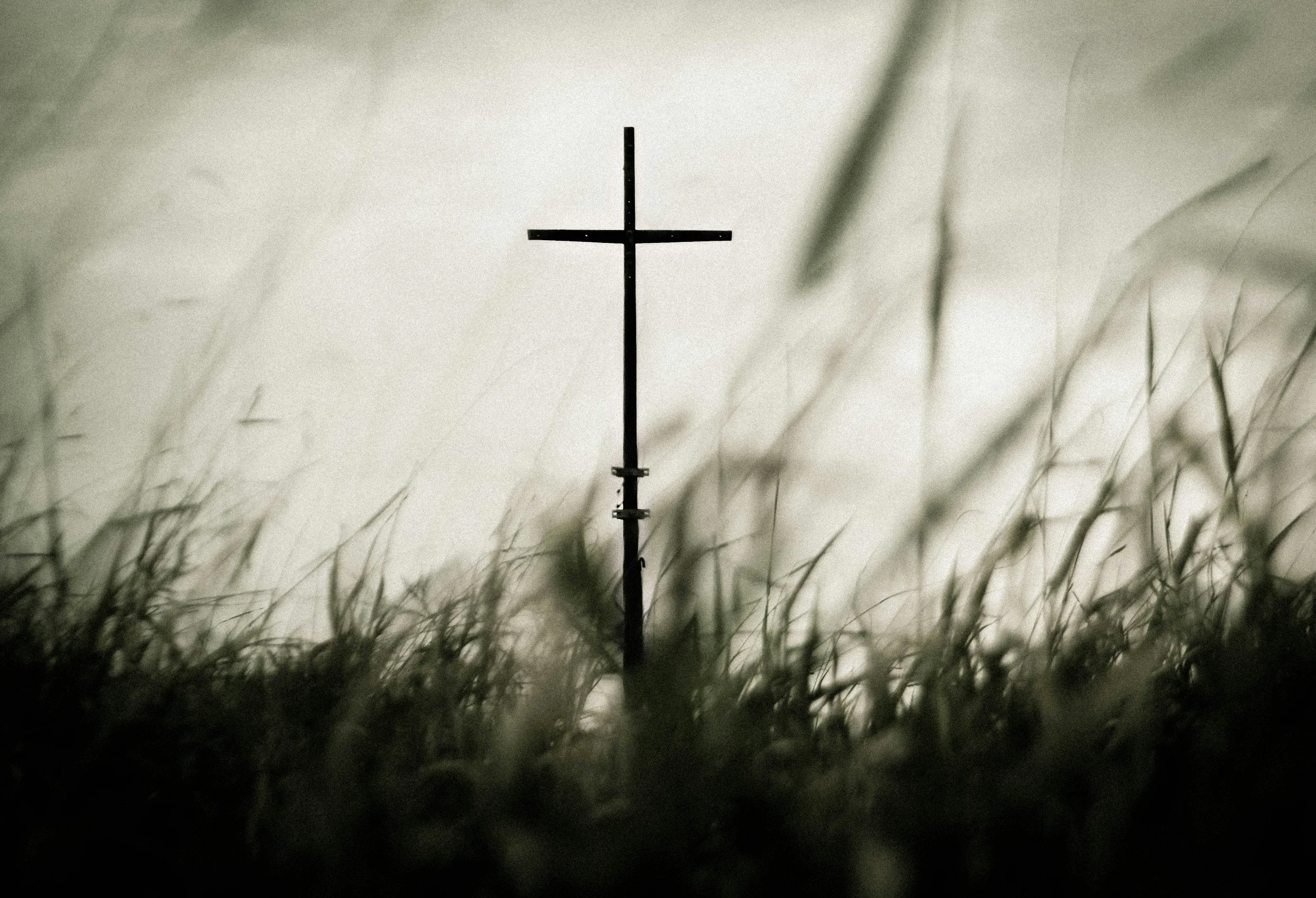
For many LGBTQ+ adults, the holidays mean returning to places where faith and family were first woven together: the table where grace is said, the service you are expected to attend, the relative who still asks when you will "find the right person." Even years after leaving a religious community, or after making peace with your own beliefs, these moments can bring up feelings that seem bigger than the situation. A familiar hymn, a sermon on the radio, or a well-meant comment can leave you feeling small, anxious, or ashamed in a way that is hard to explain.
If that is your experience, you are not overreacting. This article explains what religious trauma is, how it can show up for LGBTQ+ adults, what the research says, and how therapy can help, whatever your relationship with faith looks like today. It does not take a position on any religion or belief system. Your spiritual life is yours to define.
What religious trauma is
Religious trauma is not a formal diagnosis in the DSM-5. It is a term clinicians and researchers use to describe the lasting emotional effects of experiences in a religious setting that were frightening, shaming, or rejecting. For LGBTQ+ people, these experiences often include:
Being taught that your sexual orientation or gender identity is sinful, broken, or dangerous
Being pressured into prayer, counseling, or programs meant to change who you are
Losing a community, a role, or relationships after coming out
Hearing family members use religious language to explain their rejection
Hiding who you are for years in order to belong
Because these messages often begin in childhood and come from trusted adults and communities, they can become part of how you see yourself, even after you no longer believe them.
How can I tell if I have religious trauma?
Religious trauma tends to live in the body and in deeply held beliefs, not only in memory. Common patterns include:
Shame that arrives automatically. A sense of being "wrong" that shows up around intimacy, attraction, or self-expression, even when you no longer hold the teachings behind it.
Fear of punishment. Anxiety about judgment, or a sense that something bad will happen, that can surface unexpectedly during stress.
Hypervigilance in religious spaces. A racing heart, a tight chest, or an urge to leave in a house of worship or around religious language.
Grief. Mourning the community, rituals, music, or sense of meaning you lost, sometimes alongside relief at being free of them.
Difficulty trusting your own judgment. If you were taught that your feelings could not be trusted, decisions may feel impossible without outside approval.
Strain in relationships. Shame can make it harder to feel safe being fully seen by a partner.
These are understandable responses to environments that did not feel safe. They are not signs that something is wrong with you.
Are you looking for a therapist to help you heal and work through religious trauma?
What the research says about faith and LGBTQ+ wellbeing
Research on religion and LGBTQ+ mental health is more nuanced than headlines suggest. In the first meta-analysis on the topic, psychologist Tyler Lefevor and colleagues combined 279 findings from 73 studies (Lefevor, Davis, Paiz, & Smack, 2021). They found a small positive relationship overall between religiousness or spirituality and health among sexual minorities, with wide variation across studies. The relationship was most positive when faith took the form of personal spirituality or belief. The authors concluded that outcomes depend on a person's current beliefs and practices, and on how well their environment supports both their sexual and religious identities.
Lefevor has been clear that this finding does not minimize anyone's pain. In his words, "Religion can be harmful for sexual minorities, and this meta-analysis doesn't dispute that" (Dixon, Utah State University Today).
A later study helps explain how that harm happens. In two samples of sexual minority adults who were current or former members of the Church of Jesus Christ of Latter-day Saints, nonaffirming religious beliefs were linked to higher depression. That link largely disappeared once researchers accounted for religious and spiritual struggles and internalized stigma (McGraw, Skidmore, Lefevor, Docherty, & Mahoney, 2023). In other words, the harm seemed to travel through the shame people absorbed and the inner conflict it created. The study focused on one faith community, so it may not describe everyone's experience, but it points to something hopeful: internalized stigma and spiritual struggle are both things therapy can help with.
Coping with religious family during the holidays
Holidays pack many of these triggers into a few days: religious services, family traditions, prayers before meals, and relatives who may still hold nonaffirming views. You may also feel pressure to hide parts of yourself, leave a partner at home, or stay quiet to keep the peace.
A few things can help:
Decide ahead of time which events you will attend, and give yourself permission to skip or leave early.
Prepare a short, calm line for pushy relatives, such as "I'm not going to talk about my faith or my relationship today. Can we talk about something else?" You do not owe anyone a debate about who you are.
Plan a check-in with a supportive friend or partner during or after hard gatherings.
Notice your body's signals. A tight chest or an urge to disappear is information, not weakness.
Keep or create rituals of your own that feel meaningful, spiritual or not.
If time with family feels unsafe rather than simply uncomfortable, it is okay to put your safety first and spend the holiday with chosen family.
How therapy helps
Therapy for religious trauma is not about steering you toward or away from faith. Some people choose to leave religion entirely. Some find affirming congregations. Many hold a personal spirituality that looks different from what they were raised with. An affirming therapist supports the path that is right for you.
Treatment often begins with stabilization: understanding your reactions and learning ways to calm your nervous system when shame or fear is activated. From there, the work turns to the beliefs you absorbed, such as "I am broken," "I will be punished," or "I am only lovable if I hide," and to grieving what was lost.
When specific memories still carry intense shame or fear, such as a sermon, a confrontation with a family member, or a session meant to change your identity, EMDR can help. The World Health Organization recommends EMDR, alongside trauma-focused CBT, for adults with PTSD (WHO, 2013). EMDR helps the brain reprocess distressing memories so they feel less immediate, without requiring you to describe every detail aloud. You can learn more about EMDR therapy and about my background and approach.
You may be asking yourself:
Do I have religious trauma?
Religious trauma is not a formal diagnosis, and only a licensed clinician can assess your symptoms. If religious messages or experiences still bring up shame, fear, or panic years later, or make it hard to accept your identity, those are signs worth exploring with an affirming therapist.
What are the effects of childhood religious trauma?
When shaming religious messages begin in childhood, they often become part of a person's core beliefs about themselves. In adulthood, this can show up as automatic shame, fear of punishment, difficulty trusting your own judgment, and anxiety in close relationships.
Is religious trauma ever fully healed?
Healing rarely means the memories disappear. It usually means they lose their power, so a hymn or a holiday service can come up without sending your body into alarm, and you can choose what to believe without fear. Trauma-focused therapy, including EMDR, is designed to support that kind of change.
How do I deal with pushy religious family members?
Decide your boundaries before you arrive, keep a short and calm response ready, and remember that you do not owe anyone a debate about your identity or beliefs. If a conversation becomes hostile, it is okay to step away or leave.
You get to decide what faith means for you now
Healing from religious trauma does not mean erasing your history or settling once and for all what you believe. It means being able to hold your story without shame, choose your relationships and beliefs freely, and feel at home in who you are.
If you are looking for queer-affirming therapy in Florida, I would be glad to help. I offer a free 15 minute consultation for adults across Florida and Texas.